
Colors Carried by Wind and Water
Today we explore Heritage Textiles and Natural Dye Techniques Inspired by Mountain and Coast, tracing how highland paths and salt-stung shores shape fibers, colors, and stories. From shepherds guarding hardy wool to fishers mending nets at dusk, we follow plant pigments, mineral modifiers, and ancestral knowledge to craft cloth that remembers weather, altitude, tides, and song, while inviting your curiosity, questions, and hands into the living conversation of place-based making.
Threads Across Peaks and Shores
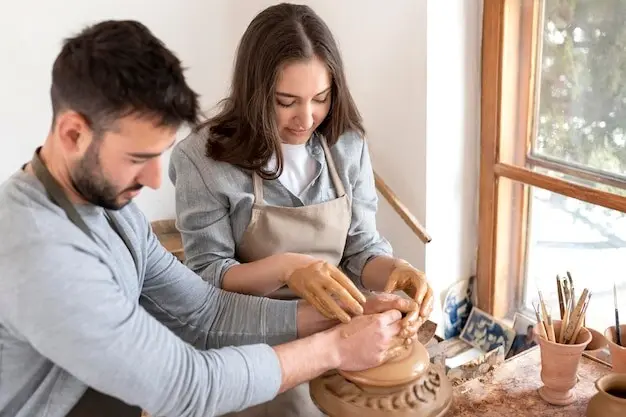
Imagine a shawl that knows the scent of juniper and the echo of gulls. Textile traditions grew where ridgelines met harbors, carried by traders, herders, and sailors who bartered fleece, bark, shells, and stories. Their cloth protected bodies and carried identity, turning frostbitten dawns and moonlit tides into patterns you could wear. This living continuity honors craft as memory, guiding contemporary makers to stitch respect, reciprocity, and rooted color into every chosen fiber and technique.
Botanical Alchemy from Summit to Surf
Plant color begins with place. Alpine meadows offer weld’s golden clarity, larch bark’s russet warmth, and lichens that require patience and ethics. Coastal environments provide kelp ash for alkali, seawater’s minerals, and iron-rich solutions for subtle shifts. Indigo, often traded in, found new lives beside harbors, while woad thrived inland. Between these sources stands the maker, balancing mordants, pH, temperature, and time, translating geology and botany into palettes that respect fiber, watershed, and community.
Alpine Gold: Weld, Larch, and Meadow Blossoms
Weld loves sun and yields bright, lightfast yellows that sing on both wool and linen when partnered with gentle alum. Larch bark contributes coppery notes, especially after slow simmering and overnight cooling. Meadow flowers add fleeting blushes that can be stabilized through tannin layering, then alum. Harvest lightly, rotate gathering spots, and dry excess plants for winter. Keep meticulous notes on elevation, water hardness, and vessel material; these small variables sketch your mountain color fingerprint.
Tidal Blues and Weathered Browns
Though indigo arrives through fields or trade, coastal makers gave it maritime character using seawater dilutions and kelp ash to balance vat alkalinity. Iron from old nails or hoops modifies tannin dyes toward slate and umber, recalling pier timbers after rain. Seaweed itself is rarely a strong dyestuff, yet its ash supports chemistry, while beach-found driftwood fuels low, steady heat. Together these practices paint blues like deep channels and browns like storm-wetted rope, dependable, evocative, and grounded.
Mordants that Respect Fiber and Earth
Alum remains a gentle standard for protein and cellulose fibers, delivering clarity without harshness when measured carefully. Tannin pre-treats plant-based fabrics, improving color depth, followed by alum or even soy milk binding for delicate hues. Iron saddens or deepens shades; use sparingly to protect wool’s hand. Avoid chrome and heavy-metal shortcuts. Keep baths at moderate temperatures, neutralize effluent, and reuse when possible. Responsible choices preserve waterways while securing beautiful, durable colors that honor living landscapes.
Patterns Mapped by Landscapes
Motifs are not mere decoration; they are terrain translated into structure. Herringbone can mirror scree slopes, basket weaves recall fish traps, and undulating twills echo longshore drift. Natural color then layers narrative: altitude gradients in gold-to-green, or coastal dawns in rose-to-blue. By pairing structure with dye, makers compose tactile cartographies, guiding fingertips along ridges, eddies, and inlets. This approach invites observation first, technique second, letting place decide the line, rhythm, and tonal cadence.
Hands-on Process: From Forage to Fabric
A respectful workflow begins outdoors and ends with finished cloth that breathes like the landscape. Ethical gathering, careful scouring, and thoughtful dye sequences ensure colorfastness without compromising fiber integrity. Each step benefits from slowness, measurement, and notes. Stack practices—tannin, alum, then color—to build complexity. Test swatches reduce guesswork. Finally, weave, knit, or stitch with structures informed by field sketches. The resulting textiles feel inevitable, like they always belonged to mountain light and coastal weather.

Care, Longevity, and Circular Practice
Natural color matures like wood or stone, gathering character through wear. Gentle care slows fading while allowing dignified patina. Launder sparingly with cool water and pH-neutral soap, then dry flat in shade. Store away from direct sun, wrapped in breathable cloth. When damage arises, mend visibly to celebrate continuity. If colors tire, over-dye with related hues. At end-of-life, deconstruct thoughtfully for reuse or compost when safe, closing loops and keeping stories circulating through hands and seasons.
Community, Trade, and Creative Futures
Textiles endure when communities thrive. Credit bearers of knowledge, pay fairly for instruction, and cite sources transparently. Cooperative studios can pool vats, safety gear, and testing equipment, making experimentation accessible. Markets favor authenticity when stories are responsibly told and traceable. Digital archives link remote valleys to busy ports, broadening support. Most importantly, conversation fuels renewal: ask questions, share failures, and invite critique. Through respectful exchange, new palettes and patterns grow without erasing the roots that feed them.
Listening to Elders, Paying Fairly
Many lineages survive because someone listened longer than it took to take notes. When learning, compensate teachers, obtain permissions for publication, and avoid romanticizing hardship. Record pronunciations, place names, and local plant terms accurately. Where cultural protocols govern access, honor them. Consider apprenticeships or collaborative projects that return value—equipment, documentation, or market access—directly to knowledge keepers. Such commitments maintain dignity and ensure techniques remain living practices rather than extracted curiosities detached from their caretakers and meanings.
Open Studios, Shared Vats, and Safety
Shared spaces amplify possibility when safety leads. Provide ventilation, labeled containers, eye-wash stations, and gloves in varied sizes. Post clear pH handling guides, temperature charts, and fiber-specific cautions. Rotate roles—vat steward, note keeper, cleanup lead—so skills distribute evenly. Pool funds for test kits and spectrums of mordants used responsibly. Host monthly critique circles where swatches circulate with process notes. Collective rigor builds confidence, while laughter over splashed aprons keeps courage high and curiosity warmly, diligently stoked.